
Seed
- Costs less, especially on big areas
- More choice of grass types
- Takes weeks to fill in, and it has to go down in the right season
- Needs steady watering until it's established
New lawns from bare ground or sod, overseeding, top dressing and plug aeration. Weed control and fertilizer programs too, for homes and commercial properties.
A thick lawn starts with what's under it. Here's every step we take to go from bare ground to grass that's established and healthy.
Step 10 of 10
Plug aerate
Pulling small plugs of soil lets air, water and fertilizer reach the roots.
We clear out rocks, roots and old growth, then grade the ground so it's smooth and water drains away from the house instead of pooling. Much of the Upstate sits on heavy red clay, so we spread topsoil over it to give new roots loose, rich soil to grow into.
We spread seed evenly across the prepared soil, choosing a grass that fits how much sun your yard gets and the time of year.
A light covering goes over the seed. It holds moisture in, keeps the seed from washing away in a hard rain and protects it from birds. It's spread thin, so the seedlings can grow right up through it.
Seed needs the top of the soil kept moist, with light, frequent watering, until it sprouts. This is when the first tiny roots reach down into the topsoil.
Once it sprouts, the new grass fills in and the roots keep reaching down. Keeping foot traffic off it at this stage keeps the young grass from getting torn up.
When the new grass has grown out, we feed it organic fertilizer. It's gentle on young grass and adds organic matter to the soil.
Over the following weeks the roots grow deeper and the lawn thickens up. Regular mowing starts once the grass is tall enough, never taking off more than about a third of the blade at a time.
Once the lawn is established, we switch to synthetic fertilizer to keep it thick and green, so it can crowd out weeds.
If the lawn has low spots or settles unevenly, we top dress it: a thin layer of sand spread over the grass and worked into the low areas. The grass grows right up through it, and the lawn comes out smoother, easier to mow and less likely to hold water.
Over time, mowing and foot traffic pack the soil down. Plug aeration pulls small cores of soil out of the lawn, leaving holes 2 to 3 inches deep so air, water and fertilizer can reach the roots. The cores break down on their own. Warm-season lawns are best aerated in late spring or early summer, and fescue in the fall.
We do both, for front yards and for commercial properties. Here's how they compare.
We measure the area first, so we order the right amount of sod. Then we prep and level the ground and install it.
Timing matters as much as the seed. Grass planted in the right season sprouts faster and fills in thicker.
An established lawn still needs care to stay thick enough to keep weeds out.
Thin, patchy grass is an open door for weeds. Overseeding spreads new seed over an existing lawn to thicken it back up.
A bumpy lawn scalps under the mower and holds water in the low spots. A thin layer of sand fills them, and the grass grows up through it.
Pulling small cores of soil out of compacted ground lets air, water and fertilizer reach the roots again.
Weed control is part of every yearly plan, and a fertilizer program can be added: organic or synthetic fertilizer, liquid or granular, with soil conditioners and soil microbes.
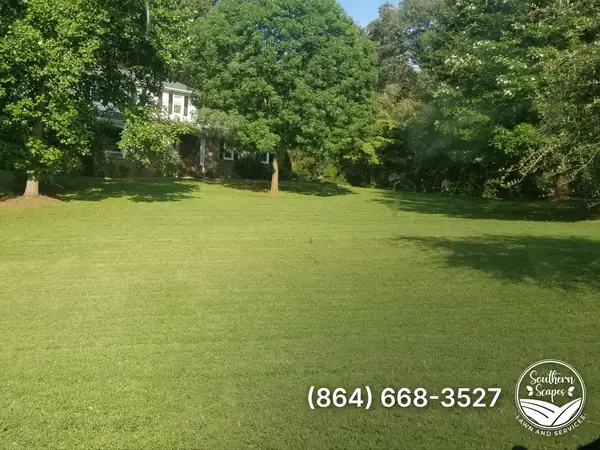
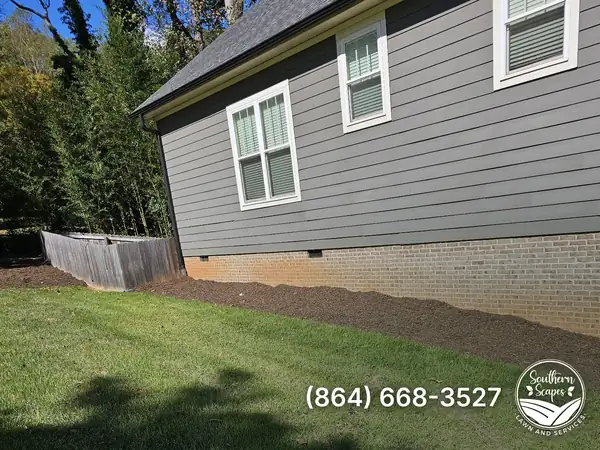
New lawns, sod and lawn care for homeowners, landlords and student rentals, on their own or added to a yearly maintenance plan.
Sod, seeding, top dressing and aeration for common areas, entrances and grounds. Book them on their own or as part of a 12-month plan.
Seed usually sprouts within a few weeks when the top of the soil stays moist, and the lawn fills in over the weeks after that. We stay with it through feeding and the first mowings until it's established.
Yes. We measure the area, order the sod, prep and level the ground and install it. For homes and commercial properties.
Yes. Top dressing fills the low spots with a thin layer of sand, and the grass grows up through it. Deeper low spots can take more than one round.
Warm-season lawns like bermuda, centipede and zoysia are best aerated in late spring or early summer. Fescue lawns are aerated in the fall.
Yes. Weed control is part of every yearly plan, and a fertilizer program can be added: organic or synthetic fertilizer, liquid or granular, with soil conditioners and soil microbes.
Our home base is Clemson. We work across the Upstate, from Lake Keowee to Greenville. See the areas we serve. Not sure about your address? Call or text (864) 668-3527.
Tell us about your yard or property and we'll send an estimate by email or text. Call or text (864) 668-3527. We answer texts with a phone call.
15% off for veterans, law enforcement and Clemson University students. Already a customer? Pay your invoice online